When it comes to natural cosmetics, aloe vera is one of the most sought-after ingredients for treating a wide range of skin conditions such as dermatitis, psoriasis, red and cracked skin. But not all aloe-based products are the same: the difference between fresh aloe and dehydrated aloe can directly affect the product's effectiveness.
In this article, we will explore the properties of aloe and why choosing fresh aloe-based cosmetics is essential for those with sensitive or damaged skin.
Aloe Vera: An Ally for the Skin
Aloe vera has been known for its beneficial properties for centuries. Thanks to its abundance of vitamins, minerals, and antioxidants, aloe is often used to moisturize and soothe conditions such as:
- Dermatitis: Aloe's anti-inflammatory properties help calm red and irritated skin, providing immediate relief.
- Psoriasis: Thanks to its regenerating power, aloe promotes cell renewal, reducing the dryness and flaking symptoms typical of psoriasis.
- Red skin: Aloe soothes and moisturizes red skin, providing a feeling of freshness and relief.
- Cracked skin: Aloe gel is a natural moisturizer, perfect for repairing and nourishing cracked and dehydrated skin.
Fresh Aloe vs. Dehydrated Aloe: What's the Difference?
When choosing an aloe-based cosmetic product, it is recommended to opt for a product made with fresh aloe gel rather than dehydrated aloe. Here are the main differences between fresh aloe and dehydrated aloe.
-
Fresh Aloe: extracted directly from the plant, it retains all its active ingredients, such as vitamins, minerals, enzymes, and antioxidants, which work together to provide intensive action on the skin. This is possible because, unlike dehydrated aloe, fresh gel maintains its intact biochemical structure, ensuring superior effectiveness.
When aloe is used fresh, its high natural water content immediately works to moisturize and soothe red or cracked skin. Furthermore, its active enzymes help to stimulate the cell regeneration process, promoting the repair of damaged tissues. Vitamins such as A, C, and E, which remain stable in the fresh plant, play a fundamental role in its soothing and regenerating action.
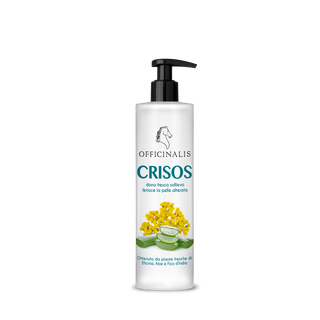
In short, fresh aloe is more effective because it retains all its natural properties without undergoing dehydration or chemical alteration processes, making it a beneficial powerful and natural element for the skin. CRISOS by Officinalis , for example, is made exclusively from fresh Aloe gel, grown in Sardinia and handcrafted in Officinalis laboratories.
-
Dehydrated Aloe: During the dehydration process, aloe loses some of its essential nutrients. The resulting powder is then rehydrated for use in cosmetics, but it does not have the same effectiveness as fresh aloe in treating conditions such as dermatitis, psoriasis, and cracked skin, as the dehydration process affects the plant's organoleptic properties.
Why Choose Fresh Aloe-Based Cosmetics for the Skin?
Fresh aloe is particularly recommended for those with skin conditions such as dermatitis, psoriasis, or cracked skin, and here is why:
- Greater effectiveness for red skin: Thanks to its purity and active nutrient content, fresh aloe can immediately calm red and inflamed skin, reducing discomfort and irritation.
- Deep hydration for cracked skin: Fresh aloe penetrates deeply, providing long-lasting hydration that is essential for repairing cracked and dry skin.
- Immediate relief for dermatitis and psoriasis: Its anti-inflammatory and regenerating properties are essential for alleviating the symptoms of dermatitis and psoriasis, reducing feelings of itching and dryness.
Conclusion
When it comes to taking care of your skin, especially if you suffer from dermatitis or psoriasis or have red and cracked skin, choosing natural cosmetics made with fresh aloe is the best choice. Thanks to its purity and ability to keep its active ingredients intact, fresh aloe offers superior benefits compared to the dehydrated version, ensuring a natural and effective treatment for all skin types.