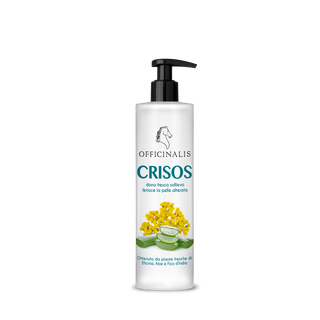
The Calendula officinalis is a plant widely used in phytotherapy thanks to its remarkable healing and soothing properties, particularly for skin treatment. Its applications have been recognized for centuries in folk medicine and are supported by numerous scientific studies, making it a key ingredient in products such as creams, oils, and ointments intended for skin care.
Did you know that in the past calendula was called a "weed"? This was due to its hardy nature and its ability to grow spontaneously in unkempt environments, such as fields and neglected gardens. Despite the unflattering name, calendula is known for its numerous benefits, especially in phytotherapy and cosmetics, thanks to its soothing, anti-inflammatory, and healing properties.
Healing Properties of Calendula
One of calendula's main virtues is its ability to promote the healing process. This characteristic is due to the presence of flavonoids, antioxidant compounds that stimulate cell regeneration and promote the production of collagen, an essential protein for tissue repair. Calendula-based preparations are commonly used to treat wounds, abrasions, and superficial cuts, as they accelerate the closure of lesions and reduce the formation of visible scars. Calendula Officinalis Butter, for example,
In addition, the antimicrobial action of calendula, mediated by its triterpenoids and saponins, helps prevent infections in wounds, creating an optimal environment for healing. Clinical studies have shown that the topical application of calendula extracts can significantly reduce recovery times in patients with minor skin injuries, improving the overall appearance of the damaged skin.
Soothing Effect on Irritated Skin
Calendula is particularly renowned for its anti-inflammatory and soothing properties, ideal for treating sensitive, reddened, or irritated skin. Thanks to its chemical composition, which includes compounds such as carotenoids and polysaccharides, calendula is able to reduce skin inflammation and calm irritation, making it an excellent natural remedy for conditions such as sunburns, abrasions, sores, and chafing.
Calendula's mechanism of action is linked to its ability to inhibit the activity of pro-inflammatory cytokines, thereby reducing the swelling, redness, and pain associated with skin inflammation. Its soothing action is therefore particularly appreciated in creams and oils dedicated to skin care, especially for those who suffer from sensitive or reactive skin.
Use in Cosmetic Products
Calendula extracts are widely used in the formulation of cosmetic and dermocosmetic products, including moisturizing creams, healing ointments, and massage oils. Its versatility stems from its ability to treat a wide range of skin problems without causing adverse reactions, making it a safe choice even for children or people with particularly delicate skin.
In addition to its healing properties, calendula helps improve skin elasticity and softness by providing deep hydration. This makes it ideal for daily use as well, particularly in products intended to protect the skin against environmental agents and free radicals.
Calendula Arancio by Officinalis for example, combines the soothing effectiveness of calendula with the nourishing properties of shea butter, creating a synergy that deeply hydrates and protects the skin. Shea butter, known for its emollient and regenerating properties, enhances calendula's action, providing immediate relief and promoting the skin's natural recovery. This formulation is ideal for those seeking an effective, natural, and gentle treatment capable of deeply nourishing the skin and promoting its regeneration.
Conclusions
Calendula remains an indispensable ingredient in natural cosmetics and phytotherapy for the skin, thanks to its extraordinary healing and soothing properties. Creams and oils based on this medicinal plant represent a natural and effective solution for promoting skin health and beauty, offering a safe treatment for the whole family. Choosing products containing calendula extracts means relying on a traditional remedy, backed by modern science, for skin well-being.